

Where Time Stillness and Craft Gently Shape True Depth
Time allows flavors to evolve, deepen, and harmonize, creating complexity, smoothness, and richness that cannot be rushed, only earned through waiting.
From Clear Spirit to Amber Complexity
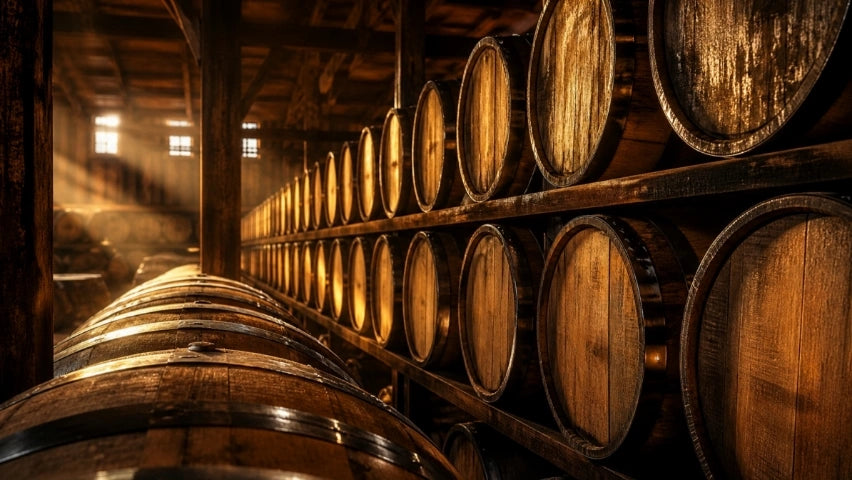
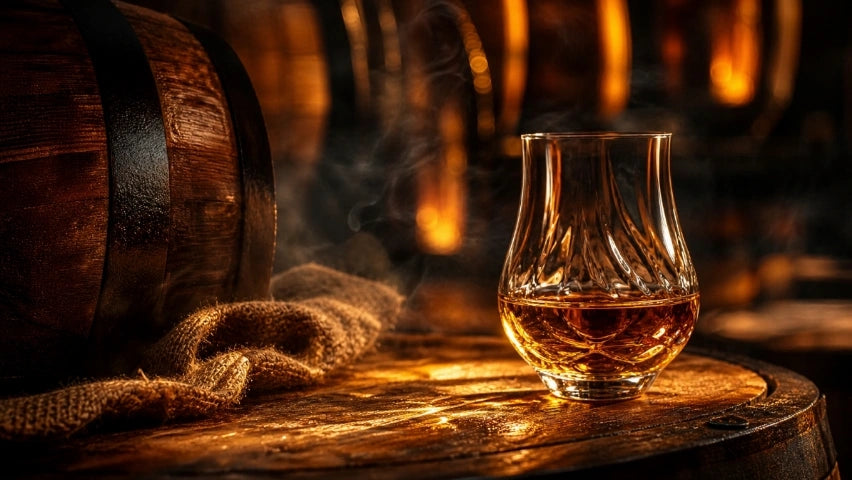
Step inside any great distillery warehouse and you'll be struck first by the smell — a rich, enveloping warmth of vanilla, toasted wood, and something almost sacred. This is the smell of time doing its work. Every barrel stacked in that dim space is a vessel of slow alchemy, where the simplest spirit gradually becomes something extraordinary.
When a spirit first enters a barrel, it is raw, often harsh, brimming with volatile compounds that have yet to be tamed. Over months, years, and sometimes decades, the wood breathes. It gives. It takes. And through that intimate exchange, flavors emerge that no distiller could ever craft alone.
Understanding barrel aging is understanding one of the most profound natural processes in the culinary world — one where chemistry, climate, and craft intertwine in ways that still humble even the most seasoned distillers.
The Chemistry of Taste
Barrel aging is, at its heart, a prolonged chemical conversation. The wood contains hundreds of compounds that migrate into the spirit, while the spirit simultaneously leaches tannins and lignins from the oak. Temperature changes cause the liquid to expand into the wood during summer warmth and retract during winter cold — each cycle pushing the spirit deeper into the grain, then drawing it back, richer and more complex than before.
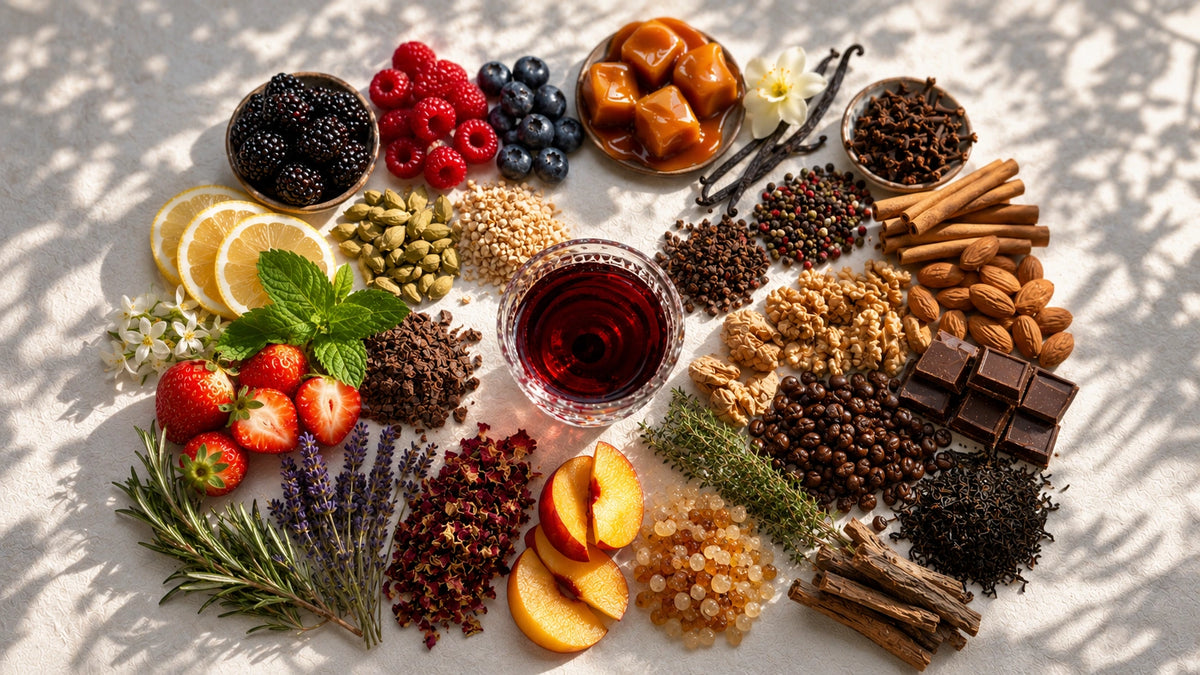
Here are the primary flavor families that barrel aging contributes:

Vanilla & Coconut
Vanillin, released from lignin breakdown in oak, is one of the most recognised contributions of barrel aging.

Caramel & Toffee
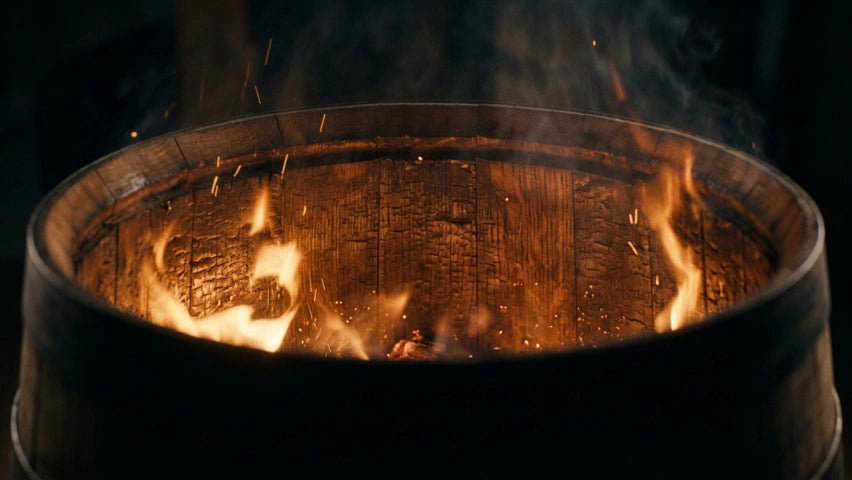
Charred wood sugars — primarily hemicellulose — break down into sweet, buttery compounds during maturation.

Spice & Pepper
Eugenol from oak delivers clove and allspice, while rye grain and char contribute a peppery warmth.

Oak & Cedar
Ellagitannins from the wood's pores impart structure, dryness, and a distinctive woody character over time.

Smoke & Char
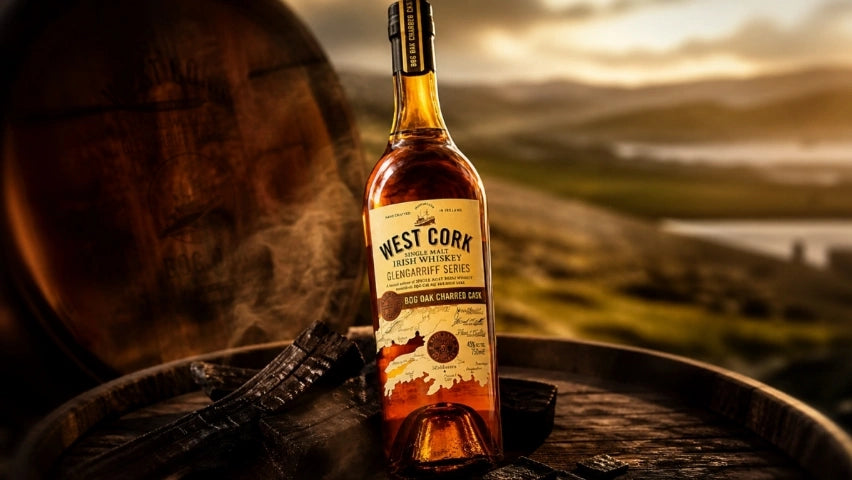
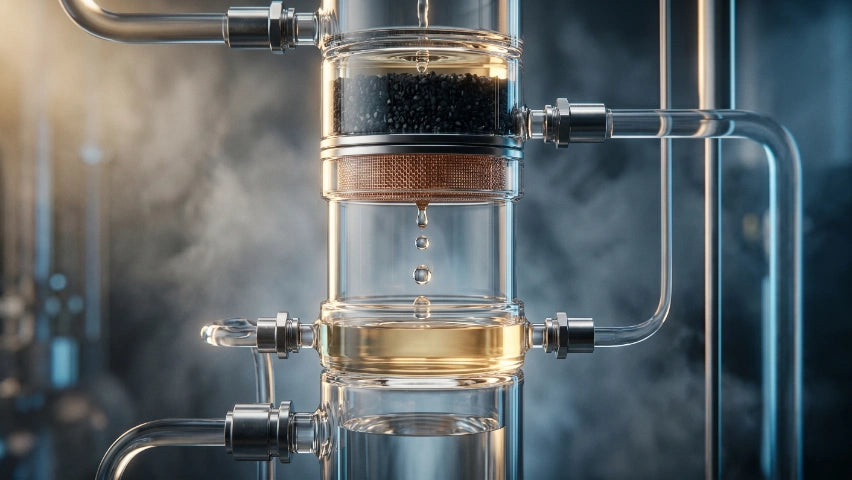
Carbon from the barrel char filters the spirit while imparting a subtle smokiness and deep roasted quality.

Dried Fruit & Sherry
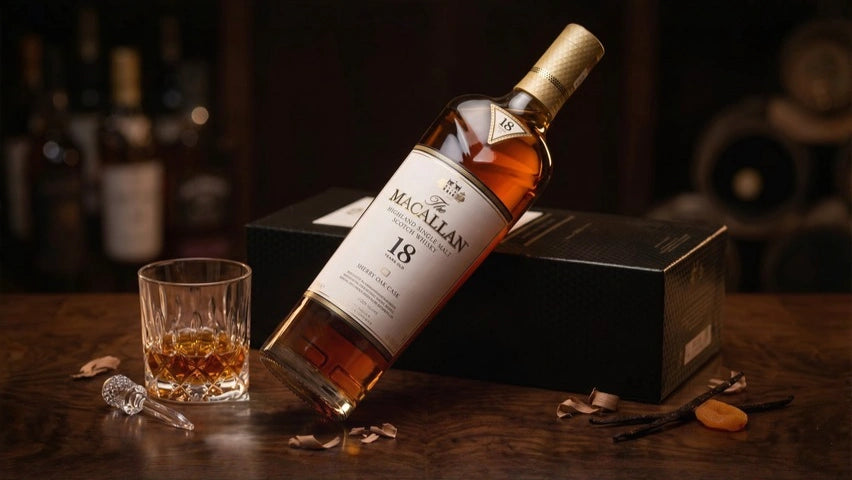
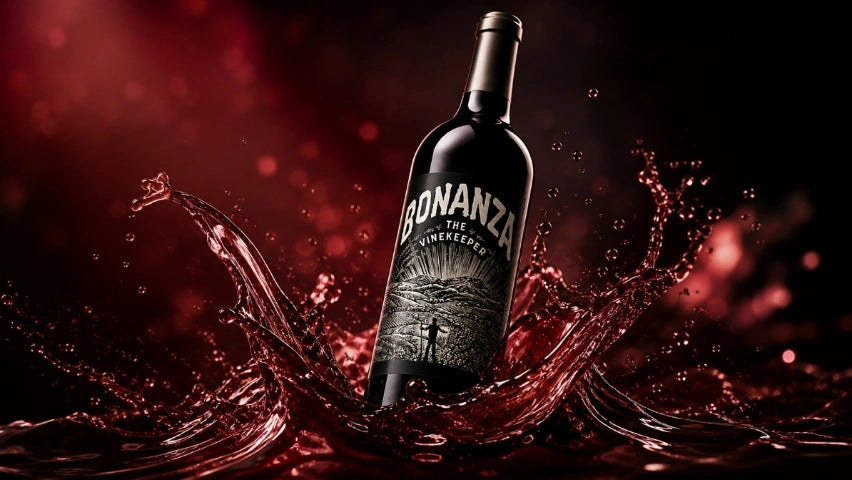
Previous cask occupants — sherry, wine, port — lend stone fruit, raisin, and rich berry complexity.

Enduring Wisdom – Aging Journey
Time is the Master Distiller : Patience Shapes Every Exceptional Pour
A Spirit's Life in the Barrel
From first fill to final pour, here is how flavor evolves across the arc of aging:
The Raw Entry
Fresh distillate enters at cask strength — often above 60% ABV. The spirit is sharp, alcohol-forward, with prominent grain or fruit esters. The char immediately begins pulling harsh sulfur compounds out of solution.
Wood Takes Hold
As the spirit expands into the grain, it begins extracting vanillin and lactones. The rough edges soften. Caramel and light spice emerge. The colour deepens from clear to pale gold. The spirit begins to find itself.
Complexity Builds
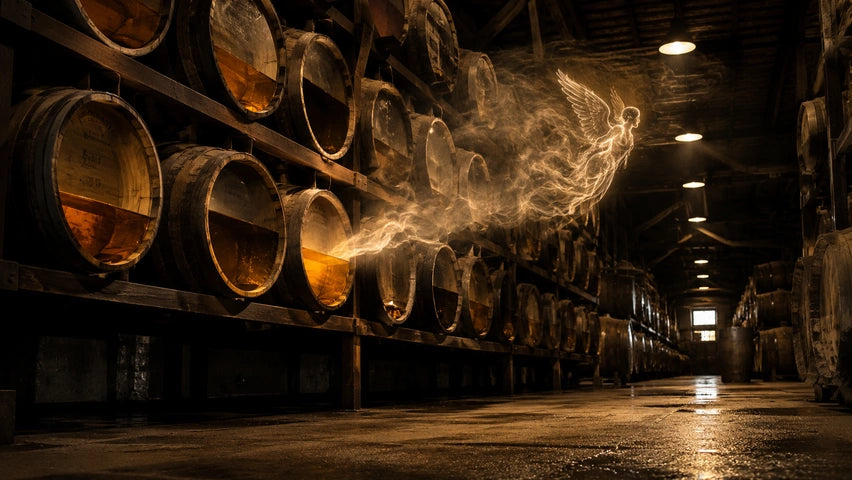
Secondary and tertiary flavor development accelerates — tannins add structure, dried fruit notes emerge, the mouthfeel becomes rounder and more viscous. The "angel's share" concentrates flavors year by year.
Harmony & Integration
At peak maturity, all elements — wood, grain, and time — speak in one voice. Flavors are deeply integrated, complex yet harmonious. Over-aging risks the wood dominating; the master blender watches closely.
"Whisky is liquid sunshine — and the barrel is the prism that breaks its character into the full spectrum of flavour."— A truth shared by distillers the world over
What Actually Happens Inside the Wood
The science of barrel aging involves a remarkable series of chemical transformations. The wood itself is composed primarily of cellulose, hemicellulose, and lignin. Each component interacts differently with the spirit over time.
Perhaps the most important process is oxidation — oxygen enters the barrel through the wood's pores, reacting with alcohol and esters to form new aromatic compounds. Simultaneously, the alcohol concentration decreases slightly each year through evaporation, but the remaining liquid becomes more flavorful and complex.
- Vanillin from lignin oxidation delivers classic vanilla sweetness
- Furfural from hemicellulose creates almond and toasted bread notes
- Lactones (oak-specific) contribute woody coconut and sweet cedar
- Ellagitannins add astringency, colour, and antioxidant structure
- Guaiacol from char contributes smoked wood and medicinal notes
- Eugenol from the wood yields spicy clove and warm pepper

How Different Spirits Age
While the principles of barrel aging apply universally, each spirit category brings its own character, traditions, and legal requirements to the equation.

Bourbon
2 – 23 YearsNew American oak only. Fast, bold extraction of vanilla, caramel, and char.

Scotch
3 – 50 YearsEx-bourbon & sherry casks. Slow, nuanced development of fruity, floral depth.

Cognac
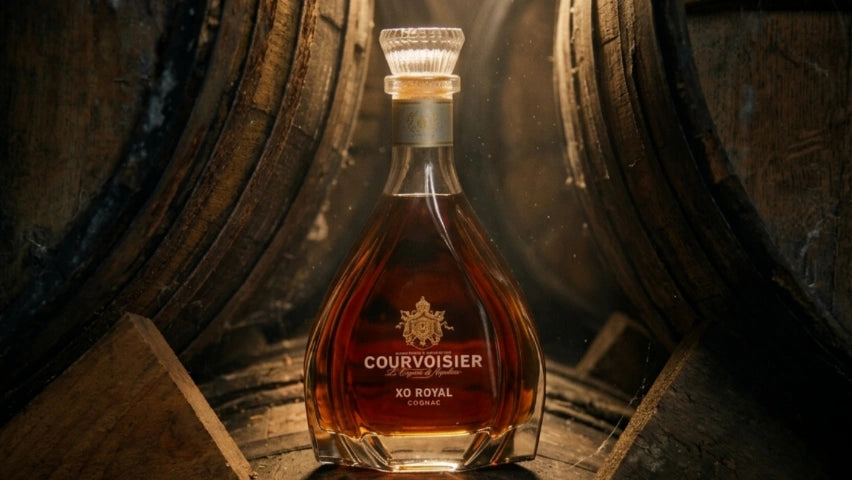
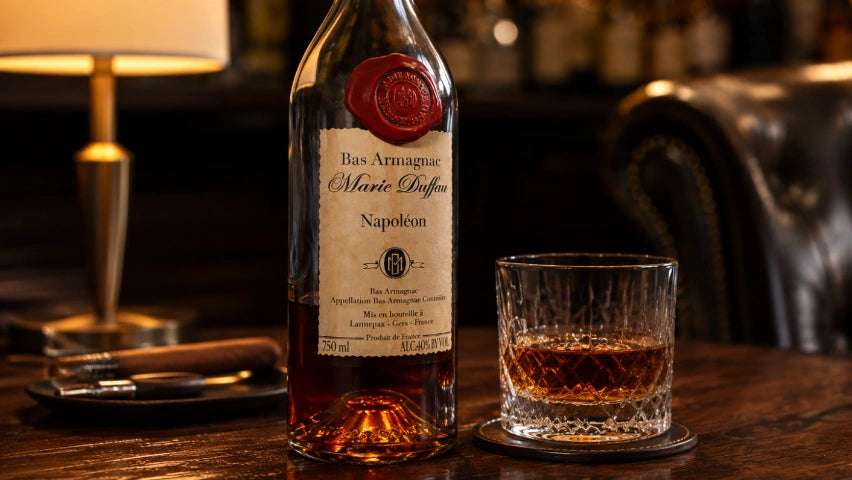
2 – 50+ YearsLimousin & Tronçais oak. Delicate floral and stone-fruit elegance.

Rum
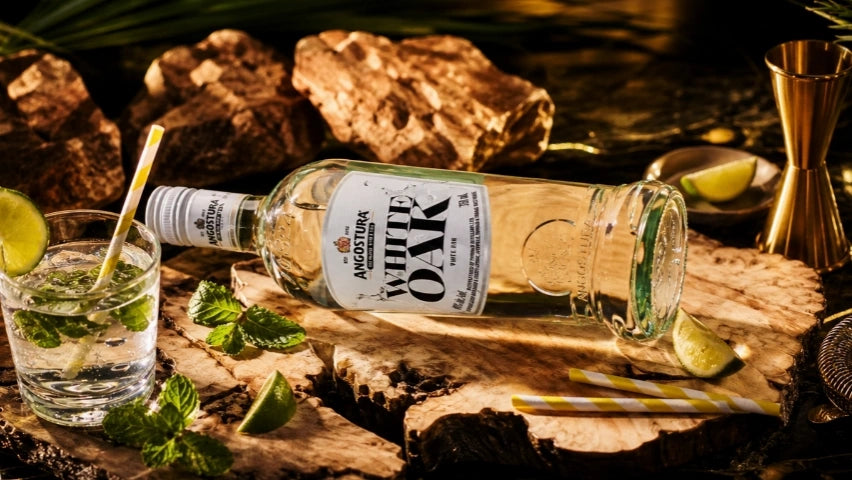
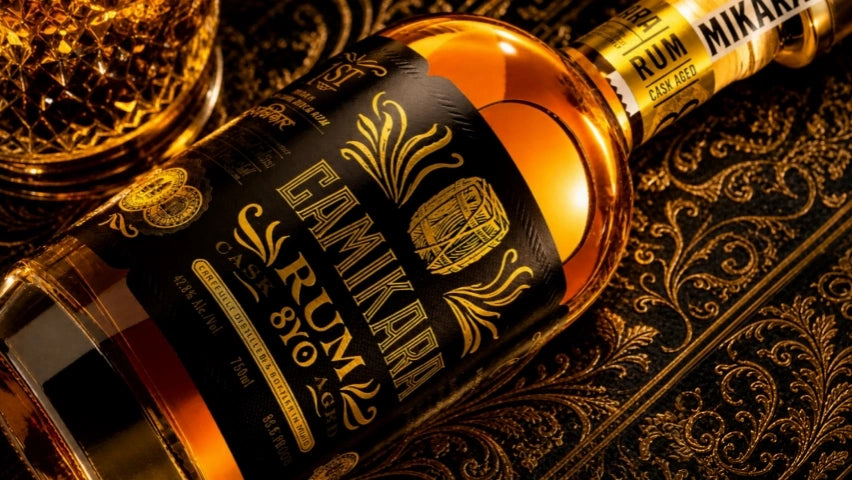
1 – 25 YearsTropical aging accelerates maturation — rich molasses, banana, and spice.

Rye Whiskey
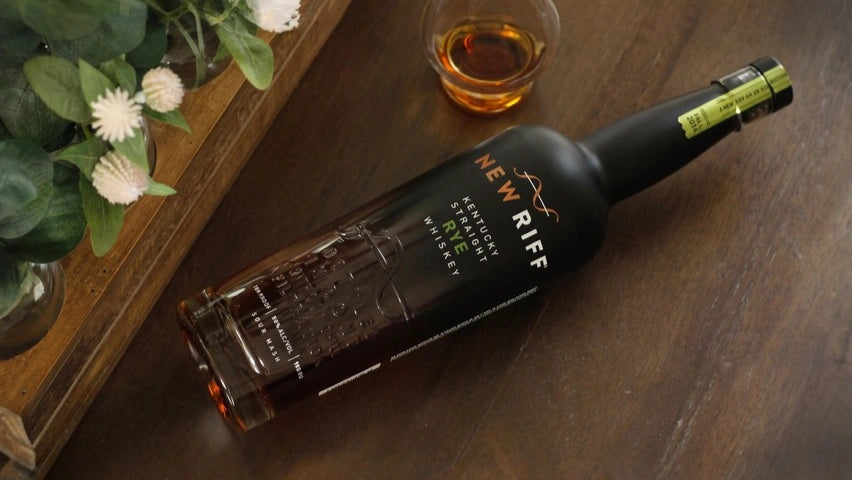
2 – 15 YearsSpice-forward grain meets new oak for a peppery, assertive, complex spirit.

Mezcal
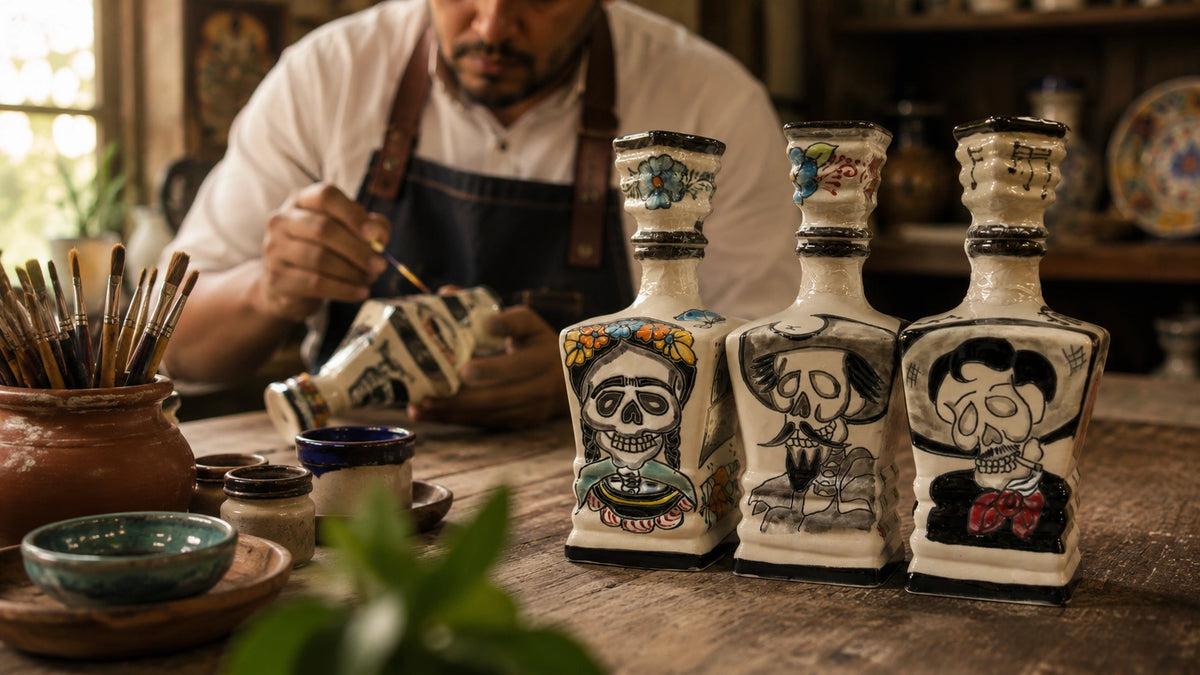
0 – 10 YearsSome expressions aged briefly; smoke and agave character tempered by gentle oak.
The Irreplaceable Gift of Time
There are no shortcuts to a well-aged spirit. Technology cannot simulate the thousands of micro-contractions and expansions a barrel undergoes across seasons. No additive can replicate the precise sequence of chemical reactions that unfold over years of slow wood contact. The barrel and its contents share an intimacy that only time can forge.
When you pour a 12-year whisky, you are tasting twelve full cycles of winter's cold and summer's heat. You taste the particular wood of a particular forest, shaped by a particular cooper, filled in a particular distillery on a particular day — and then left entirely to nature's care.
That understanding transforms how one approaches a glass. You're not merely tasting a beverage. You're receiving the result of a long, patient, irreversible process — one that is, in some profound way, a small miracle of chemistry and time working in harmony.
Savor Every Drop
The next time you raise a glass of aged spirit, let yourself feel the full weight of time behind it.
Explore More Articles